Hip hip Hooray!! It is the time to celebrate birthday party. Who doesn’t love party? Everybody loves meeting everyone, play along, and eat a lot of food and sweets. Not everyone celebrate the third birthday, but three years old is also very special age. If your kids will turn three this is the right article for you.
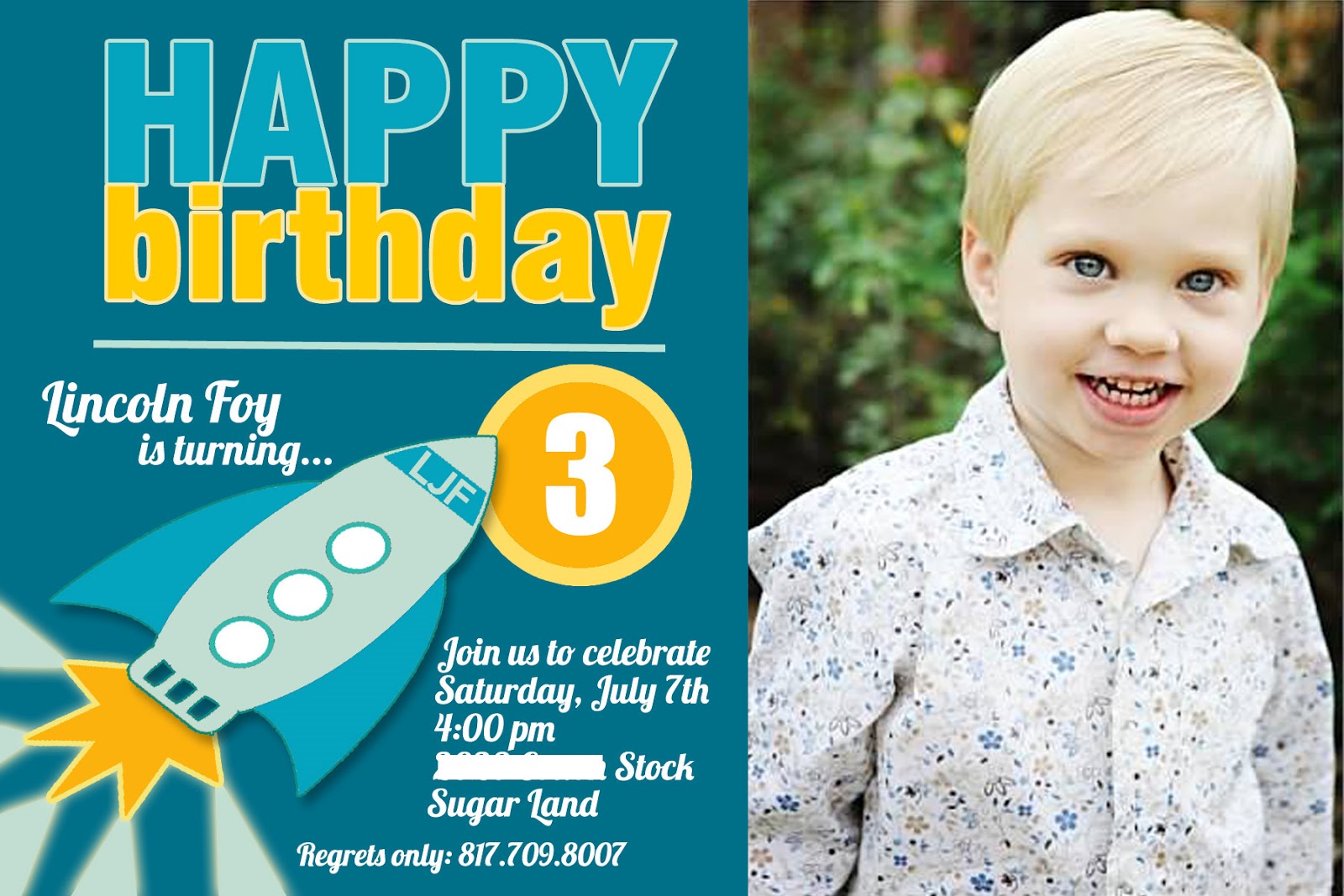
Make your invitation wording cute and eye catching. For example,”I learned to laugh and squeal, then sit and stand, I can walk then run and even I can read now” or “Time flies when you’re having fun, come and join us to our son/daughter birthday party.”
Prepare some toys and games for everyone so the kids don’t get bored. Some toys you can prepare like cars, puzzle, dolls, robots. Maybe you can also arrange ice breaker games for the toddlers and their parents so it will add energy and excitement. Plan the birthday party only for an hour to an hour and a half because toddler can loose interest and easily get bored.
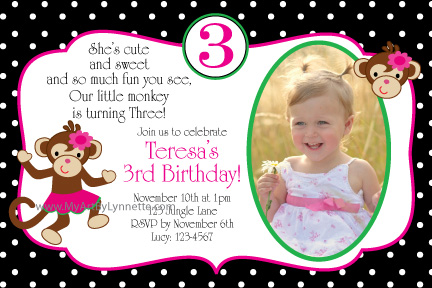
Things you should write on you invitations card have answer these questions: who, where, what, when, and how. Who is having birthday party then put your kids name with the big letter, where the event will take places, what is the party theme, when is the time, and how is the party will be so everyone will know what to dress at the party. Do not forget to mention when the party will be finish, because parents needs to know when to pick up the kids.

That’s all the tips for making invitations wording. Good luck!
The Science of 3-Year-Old Attention Spans (And Why Your Party Timing Matters)
Here’s what the research actually shows: a 3-year-old’s sustained attention span is roughly 5 to 8 minutes per activity. [Source: American Academy of Pediatrics, 2023] Not per hour. Per activity.
This changes everything about your party plan. One hour sounds reasonable until you realize you need at least four to five different stations or activities just to keep momentum. A puzzle station, a sensory play corner, a structured game, snack time, cake time—each one buys you maybe seven minutes of peace.
The invitation matters here too. Parents show up with expectations. If your wording says “structured games and activities,” they imagine organized chaos. If you say “come play,” they arrive prepared for mess. Be specific about what you’re providing. It sets the tone and manages expectations before anyone walks through the door.
Pro tip: mention specific activities in the invitation itself. “We’ll have water play, building blocks, and a scavenger hunt.” Parents know what to expect. Kids know what to get excited about. Everyone wins.
Frequently Asked Questions
How far in advance should I send 3-year-old birthday invitations?
Two to three weeks minimum. Parents of toddlers juggle daycare schedules, nap times, and sibling activities. Shorter notice means lower RSVPs. Longer notice means they’ll forget. Two weeks is the sweet spot.
Should I include dietary restrictions or allergy questions on the invitation?
Absolutely. Add one line: “Please let us know about food allergies or dietary preferences by [date].” Parents expect this at 3-year-old parties. It’s not extra—it’s essential. Don’t assume you know what kids can eat.
What if I invite kids whose parents don’t know each other yet?
Break the ice in the invitation itself. Write something like: “First-time parents at our party? Come 15 minutes early for coffee and a quick chat.” Adults relax faster when they know what’s coming. Kids feed off that energy.
Is it weird to ask for RSVPs for a 3-year-old party?
No. It’s mandatory. You need accurate headcount for food, activities, and cake. Make RSVP deadline clear and firm. Include your phone number and email. Don’t hunt people down the week before.
The Invitation Wording That Actually Works
Skip the cutesy rhymes unless they feel natural to you. Parents read dozens of invitations. They notice when something tries too hard.
Here’s what lands: honesty wrapped in warmth. “We’re throwing a party for [child’s name]’s third birthday. Bring your appetite, your patience, and your sense of humor. We’re prepared for chaos and cake in equal measure.”
Then give them everything they need: exact address (with parking notes if relevant), start and end time (seriously, end time), what to wear if the theme requires it, and whether siblings are welcome. Don’t make parents guess. Don’t make them call you.
One more thing: if you’re inviting a mix of ages, say so. “Big siblings welcome—we have activities for ages 2 through 8.” Parents want to know if they should hire a sitter for the older kid or bring them along.
A three-year-old’s birthday party is not about impressing adults. It’s about giving your child a memory and giving the parents an hour to watch their kid have fun without feeling like they need to take over. Your invitation sets that tone from line one.